Showing posts with label Google. Show all posts

Monday, October 3, 2011

Criminals target mobile devices & social networks !

Smartphones & social networking sites are likely to become the next big target for cyber criminals, according to a security industry report.

Symantec's annual threat analysis warns that the technologies are increasingly being used to spread malicious code.

Users of Facebook, Twitter & Google's mobile operating system, Android, are said to be particularly vulnerable.

However, the number of attacks remains small compared to other online crimes such as e-mail phishing.

According to Symantec, known vulnerabilities in mobile operating systems rose from 115 in 2009 to 163 in 2010.

In several cases, the security holes were exploited & used to install harmful software on Android handsets - suggesting that criminals now view smartphone hacking as a potentially lucrative area .

At least six different varieties of malware were discovered hidden in applications that were distributed through a Chinese download service.

"It is something we have started to see happen, albeit on a small level," said Orla Cox, security operations manager at Symantec.

"It allows people to do a variety of things from intercepting SMS messages to dialling toll numbers. They have opened up the possibility of what is there."

Several pieces of malware were also found on iPhones, however only devices that had been "jailbroken" to bypass Apple's security were affected.

The company's process of pre-vetting all new applications is believed to have spared its devices from a major attack.

Rogue applications

On Facebook & Twitter, Symantec's analysis highlighted several different types of threat.

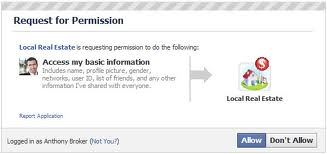
Among the most prevalent were web links that encourage users to click through to other sites containing malware & rogue applications, designed to collect personal information.

The company estimates that one in six links posted on Facebook pages are connected to malicious software.

User information is said to be particularly valuable in "social engineering" attacks, where criminals use knowledge of an individual to trick them into scams that appear to relate to them personally.

Attack toolkits

Symantec makes its money selling internet security software & services to individuals & corporations

Its annual Internet Security Threat Report - based on data supplied by users around the world - is generally regarded as a reliable measure of changing trends in cyber crime.

Globally, the company recorded a 93% increase in the volume of web-based attacks between 2009 & 2010.

The dramatic rise was largely attributed to the widespread availability of "attack toolkits" - software packages that allow users with relatively little skill to design their own malicious software.

Toolkits are available to buy online for as little as a few pounds & as much as several thousand for the latest versions.

The most popular attack kit was Phoenix, which exploits vulnerabilities in the Java programming language - commonly used for web-based applications.

Symantec's report also notes a rise in the number of targeted attacks, where specific companies, organisations or individuals are singled out.

The most sensational targeted attack of 2010 was undoubtedly Stuxnet. The software worm was designed to take control of mechanical systems used in Iran's nuclear plants.

It has been widely speculated that the USA or Israel may have played a role in its creation.

Despite Stuxnet's headline-grabbing nature, Orla Cox believes that it may not be indicative of things to come.

"It was interesting to see that it is possible to attack physical systems. I think it unlikely that we will see a whole slew of attacks of that nature," she said.

Criminals target mobile devices & social networks !

Smartphones & social networking sites are likely to become the next big target for cyber criminals, according to a security industry report.

Symantec's annual threat analysis warns that the technologies are increasingly being used to spread malicious code.

Users of Facebook, Twitter & Google's mobile operating system, Android, are said to be particularly vulnerable.

However, the number of attacks remains small compared to other online crimes such as e-mail phishing.

According to Symantec, known vulnerabilities in mobile operating systems rose from 115 in 2009 to 163 in 2010.

In several cases, the security holes were exploited & used to install harmful software on Android handsets - suggesting that criminals now view smartphone hacking as a potentially lucrative area .

At least six different varieties of malware were discovered hidden in applications that were distributed through a Chinese download service.

"It is something we have started to see happen, albeit on a small level," said Orla Cox, security operations manager at Symantec.

"It allows people to do a variety of things from intercepting SMS messages to dialling toll numbers. They have opened up the possibility of what is there."

Several pieces of malware were also found on iPhones, however only devices that had been "jailbroken" to bypass Apple's security were affected.

The company's process of pre-vetting all new applications is believed to have spared its devices from a major attack.

Rogue applications

On Facebook & Twitter, Symantec's analysis highlighted several different types of threat.

Among the most prevalent were web links that encourage users to click through to other sites containing malware & rogue applications, designed to collect personal information.

The company estimates that one in six links posted on Facebook pages are connected to malicious software.

User information is said to be particularly valuable in "social engineering" attacks, where criminals use knowledge of an individual to trick them into scams that appear to relate to them personally.

Attack toolkits

Symantec makes its money selling internet security software & services to individuals & corporations

Its annual Internet Security Threat Report - based on data supplied by users around the world - is generally regarded as a reliable measure of changing trends in cyber crime.

Globally, the company recorded a 93% increase in the volume of web-based attacks between 2009 & 2010.

The dramatic rise was largely attributed to the widespread availability of "attack toolkits" - software packages that allow users with relatively little skill to design their own malicious software.

Toolkits are available to buy online for as little as a few pounds & as much as several thousand for the latest versions.

The most popular attack kit was Phoenix, which exploits vulnerabilities in the Java programming language - commonly used for web-based applications.

Symantec's report also notes a rise in the number of targeted attacks, where specific companies, organisations or individuals are singled out.

The most sensational targeted attack of 2010 was undoubtedly Stuxnet. The software worm was designed to take control of mechanical systems used in Iran's nuclear plants.

It has been widely speculated that the USA or Israel may have played a role in its creation.

Despite Stuxnet's headline-grabbing nature, Orla Cox believes that it may not be indicative of things to come.

"It was interesting to see that it is possible to attack physical systems. I think it unlikely that we will see a whole slew of attacks of that nature," she said.

Samaritans Help Troubled Facebook Users......!!!

The Samaritans & Facebook are teaming up to allow users to get help for friends they think might be having serious problems.

Facebook has 30 million users in the UK & anyone concerned about people struggling to cope or with possible suicidal thoughts will be able to get help through the Help Centre.

The feature enables users to report specific content, like status updates or wall posts.

For instance, typing the word "worried" into the help centre search engine will bring up a list of places to find advice as well as the option to report suicidal content.

Once a report about suicidal content has been processed, the distressed person will be sent a message with information on how they can contact the Samaritans if they need help.

Samaritans cheif executive Catherine Johnstone said: "We want to remind people that if a friend says that life isn't worth living, they should always be taken seriously.

"Facebook is a part of daily life for so many of us & we must make sure that people online have support when they need it."
By - Lulu

Samaritans Help Troubled Facebook Users......!!!

The Samaritans & Facebook are teaming up to allow users to get help for friends they think might be having serious problems.

Facebook has 30 million users in the UK & anyone concerned about people struggling to cope or with possible suicidal thoughts will be able to get help through the Help Centre.

The feature enables users to report specific content, like status updates or wall posts.

For instance, typing the word "worried" into the help centre search engine will bring up a list of places to find advice as well as the option to report suicidal content.

Once a report about suicidal content has been processed, the distressed person will be sent a message with information on how they can contact the Samaritans if they need help.

Samaritans cheif executive Catherine Johnstone said: "We want to remind people that if a friend says that life isn't worth living, they should always be taken seriously.

"Facebook is a part of daily life for so many of us & we must make sure that people online have support when they need it."
By - Lulu

Bad spelling opens up security loopholes...

Facebook has paid $5000 to those who found the biggest security holes in its site. & has spent $40,000 (£25,000) in the first 21 days of a program that rewards the discovery of security bugs.

The bug bounty program aims to encourage security researchers to help harden Facebook against attack.

One security researcher has been rewarded with more than $7,000 for finding six serious bugs in the social networking site.

The program runs alongside Facebook's efforts to police the code it creates that keeps the social site running.

A blog post by Facebook chief security officer Joe Sullivan revealed some information about the early days of the bug bounty program.

He said the program had made Facebook more secure by introducing the networking site to "novel attack vectors, & helping us improve lots of corners in our code".

The minimum amount paid for a bug is $500, said Mr Sullivan, up to a maximum of $5000 for the most serious loopholes. The maximum bounty has already been paid once, he said.

Many cyber criminals & vandals have targeted Facebook in many different ways to extract useful information from people, promote spam or fake goods.
Continue reading the main story
“Start Quote

It's hardly surprising that the service is riddled with rogue apps & viral scams”

Graham Cluley Sophos

Mr Sullivan said Facebook had internal bug-hunting teams, used external auditors to vet its code & ran "bug-a-thons" to hunt out mistakes but it regularly received reports about glitches from independent security researchers.

Facebook set up a system to handle these reports in 2010 which promised not to take legal action against those that find bugs & gave it chance to assess them.

Paying those that report problems was the logical next step for the disclosure system, he said.

Graham Cluley, senior technology consultant at Sophos, said many other firms, including Google & Mozilla, run similar schemes that have proved useful in rooting out bugs.

However, he said, many criminally-minded bug spotters might get more for what they find if they sell the knowledge on an underground market.

He added that the bug bounty scheme might be missing the biggest source of security problems on Facebook.

"They're specifically not going to reward people for identifying rogue third party Facebook apps, clickjacking scams & the like," he said. "It's those sorts of problems which are much more commonly encountered by Facebook users & have arguably impacted more people."

Facebook should consider setting up a "walled garden" that only allowed vetted applications from approved developers to connect to the social networking site, he said.

"Facebook claims there are over one million developers on the Facebook platform, so it's hardly surprising that the service is riddled with rogue apps & viral scams," he said.

Bad spelling opens up security loopholes...

Facebook has paid $5000 to those who found the biggest security holes in its site. & has spent $40,000 (£25,000) in the first 21 days of a program that rewards the discovery of security bugs.

The bug bounty program aims to encourage security researchers to help harden Facebook against attack.

One security researcher has been rewarded with more than $7,000 for finding six serious bugs in the social networking site.

The program runs alongside Facebook's efforts to police the code it creates that keeps the social site running.

A blog post by Facebook chief security officer Joe Sullivan revealed some information about the early days of the bug bounty program.

He said the program had made Facebook more secure by introducing the networking site to "novel attack vectors, & helping us improve lots of corners in our code".

The minimum amount paid for a bug is $500, said Mr Sullivan, up to a maximum of $5000 for the most serious loopholes. The maximum bounty has already been paid once, he said.

Many cyber criminals & vandals have targeted Facebook in many different ways to extract useful information from people, promote spam or fake goods.
Continue reading the main story
“Start Quote

It's hardly surprising that the service is riddled with rogue apps & viral scams”

Graham Cluley Sophos

Mr Sullivan said Facebook had internal bug-hunting teams, used external auditors to vet its code & ran "bug-a-thons" to hunt out mistakes but it regularly received reports about glitches from independent security researchers.

Facebook set up a system to handle these reports in 2010 which promised not to take legal action against those that find bugs & gave it chance to assess them.

Paying those that report problems was the logical next step for the disclosure system, he said.

Graham Cluley, senior technology consultant at Sophos, said many other firms, including Google & Mozilla, run similar schemes that have proved useful in rooting out bugs.

However, he said, many criminally-minded bug spotters might get more for what they find if they sell the knowledge on an underground market.

He added that the bug bounty scheme might be missing the biggest source of security problems on Facebook.

"They're specifically not going to reward people for identifying rogue third party Facebook apps, clickjacking scams & the like," he said. "It's those sorts of problems which are much more commonly encountered by Facebook users & have arguably impacted more people."

Facebook should consider setting up a "walled garden" that only allowed vetted applications from approved developers to connect to the social networking site, he said.

"Facebook claims there are over one million developers on the Facebook platform, so it's hardly surprising that the service is riddled with rogue apps & viral scams," he said.

Warning to Facebook users for over personal data

Computer security experts are warning that Facebook users divulge too much personal information which can potentially be accessed by criminals.

Cyber criminals can use this information to steal people's identities and commit fraud in their name.

IT security consultant Rob Vaughan, who spoke about cyber crime at the University of Glamorgan in Pontypridd on Tuesday, said people should think twice before adding details like their address and date of birth to their Facebook page.

"You can change your privacy settings but people put far, far too much personal information into Facebook and other social networking sites," he said.

"If you just stop and think about what you are doing... ask yourself if you really need to put that level of information in there.

"Also, you don't necessarily know all your [Facebook] friends on there that well."
Continue reading the main story
“Start Quote

You are looking at things like identity theft, harassment, bullying, sexual harassment - all sorts of things”

Det Sgt Andrea Barnard e-Crime Wales police manager

Mr Vaughan, who has just helped set up Electric Cat Cymru which helps businesses and domestic users with IT security, said criminals may use various websites to gather information on an individual, a process known as aggregation.

"I would say if you were looking at trying to pinch somebody's ID or glean as much information about someone, or if you are profiling somebody, you will find a lot of information out there in the public domain," he said.

"Organised crime is using the internet as an easy target."

Facebook, which has more than 750m active users with 50% logging on in any given day, said users were in "complete control" of what they shared, who they shared it with and how much they shared.

Its privacy settings "allow users to easily restrict access to any content that they post, as they post, according to their own comfort level", said a spokesperson.
Continue reading the main story
Facebook safety tips

Block and report anyone who sends you unwanted messages
Beware of suspicious links
Keep your computer's software up to date to beat cyber criminals
Visit the Facebook safety page
Use different passwords for your different online accounts - and keep them secret
Spend a little time reviewing your privacy settings
Be careful when accepting or sending friend requests
Before you post, stop and think about who might see it
Be careful when accessing or sending information over an unsecured public wireless network
Learn how to use tools that allow you to report things that make you feel uncomfortable

"We've made that process even simpler over the last week by introducing smart friend lists.

"Lists have existed for several years but we've made them even easier to use by rolling out smart lists which create themselves and stay up-to-date based on profile info your friends have in common with you - like your work, school, family and city."

Recent figures from a Freedom of Information request to South Wales Police showed that the number of crimes involving Facebook were on the increase.

Det Sgt Andrea Barnard, e-Crime Wales police manager, said: "I collate statistics every month on a pan-Wales basis and I can certainly say crimes on Facebook are always top of the list every month.

"You are looking at things like identity theft, harassment, bullying, sexual harassment - all sorts of things.

"It's all because people are putting up too much information about themselves."

She said businesses also needed to be careful about social networking sites as, for example, viruses and malware (malicious software) could be accidentally downloaded by employees using them during a break.

"If that's happening in the workplace it's very expensive to sort the problem out and you are potentially exposing very important company data," she said.

She said she would always advise businesses to implement an 'acceptable use policy' for social networking sites.
Extract data

Jaime Hindle, business liaison officer at the University of Glamorgan, said more and more businesses were now using social networking sites for commercial purposes, which presented potential pitfalls.

"If you don't take a savvy attitude to your page, you could be compromised," he said.

"It could be personal protection or commercial sabotage from viruses to phishing to spam to hacking into data."

He said cyber crime as a whole was becoming more prevalent as criminals turned away from more high-risk illegal activities.

"The old crimes of mugging and ram raiding, we don't hear of them any more because criminals are looking at less risky and more profitable enterprises like cyber crime," he said.

The University of Glamorgan hosted Tuesday's seminar on cyber crime as part of the Software Alliance Wales project, which promotes Wales' ICT and software sector.

Warning to Facebook users for over personal data

Computer security experts are warning that Facebook users divulge too much personal information which can potentially be accessed by criminals.

Cyber criminals can use this information to steal people's identities and commit fraud in their name.

IT security consultant Rob Vaughan, who spoke about cyber crime at the University of Glamorgan in Pontypridd on Tuesday, said people should think twice before adding details like their address and date of birth to their Facebook page.

"You can change your privacy settings but people put far, far too much personal information into Facebook and other social networking sites," he said.

"If you just stop and think about what you are doing... ask yourself if you really need to put that level of information in there.

"Also, you don't necessarily know all your [Facebook] friends on there that well."
Continue reading the main story
“Start Quote

You are looking at things like identity theft, harassment, bullying, sexual harassment - all sorts of things”

Det Sgt Andrea Barnard e-Crime Wales police manager

Mr Vaughan, who has just helped set up Electric Cat Cymru which helps businesses and domestic users with IT security, said criminals may use various websites to gather information on an individual, a process known as aggregation.

"I would say if you were looking at trying to pinch somebody's ID or glean as much information about someone, or if you are profiling somebody, you will find a lot of information out there in the public domain," he said.

"Organised crime is using the internet as an easy target."

Facebook, which has more than 750m active users with 50% logging on in any given day, said users were in "complete control" of what they shared, who they shared it with and how much they shared.

Its privacy settings "allow users to easily restrict access to any content that they post, as they post, according to their own comfort level", said a spokesperson.
Continue reading the main story
Facebook safety tips

Block and report anyone who sends you unwanted messages
Beware of suspicious links
Keep your computer's software up to date to beat cyber criminals
Visit the Facebook safety page
Use different passwords for your different online accounts - and keep them secret
Spend a little time reviewing your privacy settings
Be careful when accepting or sending friend requests
Before you post, stop and think about who might see it
Be careful when accessing or sending information over an unsecured public wireless network
Learn how to use tools that allow you to report things that make you feel uncomfortable

"We've made that process even simpler over the last week by introducing smart friend lists.

"Lists have existed for several years but we've made them even easier to use by rolling out smart lists which create themselves and stay up-to-date based on profile info your friends have in common with you - like your work, school, family and city."

Recent figures from a Freedom of Information request to South Wales Police showed that the number of crimes involving Facebook were on the increase.

Det Sgt Andrea Barnard, e-Crime Wales police manager, said: "I collate statistics every month on a pan-Wales basis and I can certainly say crimes on Facebook are always top of the list every month.

"You are looking at things like identity theft, harassment, bullying, sexual harassment - all sorts of things.

"It's all because people are putting up too much information about themselves."

She said businesses also needed to be careful about social networking sites as, for example, viruses and malware (malicious software) could be accidentally downloaded by employees using them during a break.

"If that's happening in the workplace it's very expensive to sort the problem out and you are potentially exposing very important company data," she said.

She said she would always advise businesses to implement an 'acceptable use policy' for social networking sites.
Extract data

Jaime Hindle, business liaison officer at the University of Glamorgan, said more and more businesses were now using social networking sites for commercial purposes, which presented potential pitfalls.

"If you don't take a savvy attitude to your page, you could be compromised," he said.

"It could be personal protection or commercial sabotage from viruses to phishing to spam to hacking into data."

He said cyber crime as a whole was becoming more prevalent as criminals turned away from more high-risk illegal activities.

"The old crimes of mugging and ram raiding, we don't hear of them any more because criminals are looking at less risky and more profitable enterprises like cyber crime," he said.

The University of Glamorgan hosted Tuesday's seminar on cyber crime as part of the Software Alliance Wales project, which promotes Wales' ICT and software sector.

Facebook calls on web security firm to combat malware

Users will be warned not to follow links posted on the site which lead to locations known to harbour malware

Facebook has struggled to stem an increase in opportunist scams. Photograph: Dale O'Dell / Alamy/Alamy

Facebook has hired a leading web security firm to help combat a continuing rise in malware on the social network in the past year.

Users of the world's biggest social network will be warned not to follow links posted on the site which lead to locations known to harbour malware, as part of the partnership with US security firm Websense.

Another web security firm, Symantec, said in its annual report in April that malicious links accounted for two-thirds of all shortened links on social networks in 2010, & that almost nine in 10 of them had been clicked at least once.

While Facebook has grown exponentially, it has also struggled to stem an increase in opportunist scams that target the site's 800 million users. Attacks range from tricking users into revealing their password to more serious attempts to extort money from people using plausible-sounding email addresses via information gleaned from their profile pages.

One of the biggest threats on Facebook is shortened links that could unwittingly take users to websites that could infect their computers with viruses. Websense says it will vet out shortened links that hide viruses in "real time", warning users against visiting the site if it is harmful.

"Facebook cares deeply about protecting users from potentially malicious content on the internet," said Dan Rubinstein, Facebook's product manager for site integrity. "We are excited about our partnership with Websense to provide industry leading tools to help our users protect themselves."

The security firm Sophos reported in July that Facebook was increasingly seen as the "biggest risk" online among users, with 81% of survey respondents voting for the website, up from 60% in 2010. Twitter & Myspace received 8% of the votes in the same study.

Graham Cluley, senior technology consultant at Sophos, told the Guardian the partnership was not a "significant change of direction" by Facebook, & said his firm sees "a lot of malicious activity" there.

"Certainly I think there's room for Facebook to improve when it comes to fighting spammy & malicious links," he said. "The likes of [Google's] Gmail, [Microsoft's] Hotmail & Yahoo do a pretty good job at blocking most of the spam in the first place – so it would be good to see Facebook offer a similarly mature approach to the problem. One challenge for Facebook is they have a very laissez-faire attitude to what goes on on their network.

"For instance, anyone can become a Facebook developer & apps are not vetted, which is one avenue for criminals to earn income & access users' personal information."

In May, Facebook announced a similar partnership with the online security firm Web of Trust, whose chief executive Vesa Perala told the Guardian: "Websense work on the traditional technical security, which is quite different compared to what we are doing."

She added: "We know that Facebook is using multiple sources for different purposes. According to my understanding they have two major data providers: McAfee on the anti-virus area & [Web of Trust] in the area of reputation & trustworthiness but are using 'bits & pieces' from other sources as well.

"WOT [Web of Trust] is unique as we combine data from trusted sources (including multiple anti-virus companies & other organisations fighting cyber crime) with real experiences from real users (WOT community of over 25 million users), who rate websites using our safe surfing tools."

Carl Leonard, senior manager of security research at Websense, described Web of Trust as a "very different" system to the real-time Websense technology, which will be integrated into the site from Monday.

He said: "[Web of Trust] is a community-powered free protection system. Users of the tool essentially rate websites in how safe they think they are ... Websense uses the most advanced data identification, content classification, & security filtering available to lessen risks to customer data & productivity."

Facebook calls on web security firm to combat malware

Users will be warned not to follow links posted on the site which lead to locations known to harbour malware

Facebook has struggled to stem an increase in opportunist scams. Photograph: Dale O'Dell / Alamy/Alamy

Facebook has hired a leading web security firm to help combat a continuing rise in malware on the social network in the past year.

Users of the world's biggest social network will be warned not to follow links posted on the site which lead to locations known to harbour malware, as part of the partnership with US security firm Websense.

Another web security firm, Symantec, said in its annual report in April that malicious links accounted for two-thirds of all shortened links on social networks in 2010, & that almost nine in 10 of them had been clicked at least once.

While Facebook has grown exponentially, it has also struggled to stem an increase in opportunist scams that target the site's 800 million users. Attacks range from tricking users into revealing their password to more serious attempts to extort money from people using plausible-sounding email addresses via information gleaned from their profile pages.

One of the biggest threats on Facebook is shortened links that could unwittingly take users to websites that could infect their computers with viruses. Websense says it will vet out shortened links that hide viruses in "real time", warning users against visiting the site if it is harmful.

"Facebook cares deeply about protecting users from potentially malicious content on the internet," said Dan Rubinstein, Facebook's product manager for site integrity. "We are excited about our partnership with Websense to provide industry leading tools to help our users protect themselves."

The security firm Sophos reported in July that Facebook was increasingly seen as the "biggest risk" online among users, with 81% of survey respondents voting for the website, up from 60% in 2010. Twitter & Myspace received 8% of the votes in the same study.

Graham Cluley, senior technology consultant at Sophos, told the Guardian the partnership was not a "significant change of direction" by Facebook, & said his firm sees "a lot of malicious activity" there.

"Certainly I think there's room for Facebook to improve when it comes to fighting spammy & malicious links," he said. "The likes of [Google's] Gmail, [Microsoft's] Hotmail & Yahoo do a pretty good job at blocking most of the spam in the first place – so it would be good to see Facebook offer a similarly mature approach to the problem. One challenge for Facebook is they have a very laissez-faire attitude to what goes on on their network.

"For instance, anyone can become a Facebook developer & apps are not vetted, which is one avenue for criminals to earn income & access users' personal information."

In May, Facebook announced a similar partnership with the online security firm Web of Trust, whose chief executive Vesa Perala told the Guardian: "Websense work on the traditional technical security, which is quite different compared to what we are doing."

She added: "We know that Facebook is using multiple sources for different purposes. According to my understanding they have two major data providers: McAfee on the anti-virus area & [Web of Trust] in the area of reputation & trustworthiness but are using 'bits & pieces' from other sources as well.

"WOT [Web of Trust] is unique as we combine data from trusted sources (including multiple anti-virus companies & other organisations fighting cyber crime) with real experiences from real users (WOT community of over 25 million users), who rate websites using our safe surfing tools."

Carl Leonard, senior manager of security research at Websense, described Web of Trust as a "very different" system to the real-time Websense technology, which will be integrated into the site from Monday.

He said: "[Web of Trust] is a community-powered free protection system. Users of the tool essentially rate websites in how safe they think they are ... Websense uses the most advanced data identification, content classification, & security filtering available to lessen risks to customer data & productivity."

Facebook will check every links for viruses

Facebook will check every web link its users click on for computer viruses & other dangers as part of efforts to improve the security of the world's largest social network.

From today, hundreds of millions of outbound links every day will be passed through a system provided by the web security firm Websense.

It will effectively visit pages on users' behalf, & apply a series of tests for Trojans, phishing attempts, botnets & other threats.

If the system does not detect a problem with a link, the user will be allowed to visit the page as normal, without any sign that it has been checked. When a threat is detected, however, Facebook will present a warning with links to more information. If the user wants to proceed anyway, they will be allowed.

"Facebook is a big target for criminals online," said Spencer Parker of Websense.

"We'll be protecting all 750 million of its users."

Facebook will check every links for viruses

Facebook will check every web link its users click on for computer viruses & other dangers as part of efforts to improve the security of the world's largest social network.

From today, hundreds of millions of outbound links every day will be passed through a system provided by the web security firm Websense.

It will effectively visit pages on users' behalf, & apply a series of tests for Trojans, phishing attempts, botnets & other threats.

If the system does not detect a problem with a link, the user will be allowed to visit the page as normal, without any sign that it has been checked. When a threat is detected, however, Facebook will present a warning with links to more information. If the user wants to proceed anyway, they will be allowed.

"Facebook is a big target for criminals online," said Spencer Parker of Websense.

"We'll be protecting all 750 million of its users."

To add phishing safety net, Facebook works with Websense

Users will see this notice if they are about to visit a potentially harmful website, giving them the option to go back to the previous page.

Facebook have stepped up their battle against phishing & malware scammers by partnering with security firm Websense.

As of next week, users will be warned if they are about to be taken to a malicious website.

The social network has suffered to date as many of its 700 million users unwittingly click on dangerous links supposedly posted by their friends.

Such attacks usually trick users into sharing passwords or data.

Facebook already tells users if they are about to visit an external site, but the current set up makes no distinction between friendly & dangerous sites.

The new technology will present a warning screen whenever it suspects a page poses a threat to the users, giving details of the risk.

From here, users are encouraged to return to the previous page.

If they wish, users can continue to the intended page, albeit very much at their own risk.
'Profitable target'

Both Facebook & Websense will hope the extra measures will be enough to deter potential scammers from focusing their efforts on the network.

Scams regularly catch out hundreds of thousands of users at a time.
Continue reading the main story
“Start Quote

As more of these 'friend in the middle' attacks happen, you start to trust your friends less.”

Spencer Parker Websense

"There's over 700 million users on Facebook," Websense's Spencer Parker told the BBC.


"As a piece of real estate, it's extremely profitable to be targeted by malware writers."


The protection will be powered by Websense's "Threatseeker Cloud", a system which stores a database of known malicious URLs.


The system can also detect unknown dangerous URLs by assessing threats in real-time.


This means harmful URLs can be blocked even before they are known to the company - cutting off a key tactic used by phishers in which constantly changing URLs fool database-driven protection.


In addition, the system will "follow" links made using popular URL shorteners - such as bit.ly & ow.ly - to verify their safety.

Due to the nature of how we interact with our friends, Mr Parker says phishing attacks on Facebook are much harder to prevent than other commonly used techniques.

"One of the things with Facebook, of course, is that you have that element of trust in a social network. If one of your friends posts something, you automatically trust it more than if it just received as a spam email.

"As more of these 'friend in the middle' attacks happen, you start to trust your friends less."

To add phishing safety net, Facebook works with Websense

Users will see this notice if they are about to visit a potentially harmful website, giving them the option to go back to the previous page.

Facebook have stepped up their battle against phishing & malware scammers by partnering with security firm Websense.

As of next week, users will be warned if they are about to be taken to a malicious website.

The social network has suffered to date as many of its 700 million users unwittingly click on dangerous links supposedly posted by their friends.

Such attacks usually trick users into sharing passwords or data.

Facebook already tells users if they are about to visit an external site, but the current set up makes no distinction between friendly & dangerous sites.

The new technology will present a warning screen whenever it suspects a page poses a threat to the users, giving details of the risk.

From here, users are encouraged to return to the previous page.

If they wish, users can continue to the intended page, albeit very much at their own risk.
'Profitable target'

Both Facebook & Websense will hope the extra measures will be enough to deter potential scammers from focusing their efforts on the network.

Scams regularly catch out hundreds of thousands of users at a time.
Continue reading the main story
“Start Quote

As more of these 'friend in the middle' attacks happen, you start to trust your friends less.”

Spencer Parker Websense

"There's over 700 million users on Facebook," Websense's Spencer Parker told the BBC.


"As a piece of real estate, it's extremely profitable to be targeted by malware writers."


The protection will be powered by Websense's "Threatseeker Cloud", a system which stores a database of known malicious URLs.


The system can also detect unknown dangerous URLs by assessing threats in real-time.


This means harmful URLs can be blocked even before they are known to the company - cutting off a key tactic used by phishers in which constantly changing URLs fool database-driven protection.


In addition, the system will "follow" links made using popular URL shorteners - such as bit.ly & ow.ly - to verify their safety.

Due to the nature of how we interact with our friends, Mr Parker says phishing attacks on Facebook are much harder to prevent than other commonly used techniques.

"One of the things with Facebook, of course, is that you have that element of trust in a social network. If one of your friends posts something, you automatically trust it more than if it just received as a spam email.

"As more of these 'friend in the middle' attacks happen, you start to trust your friends less."

Friday, September 30, 2011

Google Flight Search Suffers Some Turbulence

It may work with jetlike speed, but other services still offer greater choice.

In flight: Google Flight Search lets users select flights by clicking on different cities on a map of the United States.

In April this year, Google bought ITA Software, a company that provides airfare data to travel sites including Kayak, Hipmunk, & Orbitz. This month, after the U.S. Department of Justice gave permission for the acquisition of ITA under conditions designed to maintain healthy competition in the sector, Google launched its own travel service, called Flight Search.

Google users can now search for, say, "flight from Boston to San Francisco," click on the "Flights" button that appears at the left of the Flight Search screen, & see options & prices in a fraction of a second—considerably faster than many other airfare services. A user can adjust parameters like date, time, & number of stops, & then select & purchase a ticket.

Flight Search also offers some nifty innovative features, such as a map that lets users click on cities to choose a route & a chart that shows how price fluctuates over time. The latter is especially helpful.

As Google often does, it emphasized how fast Flight Search is in a video introducing the new service, promising "results that update instantly"—that is, when a user changes a parameter like date or destination, the change in the results is immediate. Many other airfare search sites take several seconds to load new results.

But is faster really better? When comparing Flight Search with services like Kayak, Hipmunk, & even Expedia, a user will quickly notice that not only are some airlines missing from Flight Search, but entire airports—and every country except the U.S.—are missing as well.

Lance Cottrell, founder & chief technology officer of Anonymizer, a company that helps businesses perform anonymous research on competitors, says Google & ITA may be pre-calculating, or "caching," flight information in order to return results fast. According to Cottrell, "The number of possible routes is large—but nothing like the amount of data that Google is used to handling."

George Hobica, founder of Airfarewatchdog, a site that compiles airfare deals directly from the airlines & lists them, believes that part of the reason the service is so speedy is that it has a "smaller inventory to search through" than other sites.

Cottrell reports that the first airport he tried wasn't in Google's system at all. Google excuses this by saying, in a blog post, that this is "the takeoff, not the final destination," of Flight Search. The company says it plans to add the missing airports & airlines in the near future, as well as international flights. Google representatives were unavailable for comment.

Jacqueline Tanzella, a spokesperson for Hipmunk, says that her company isn't worried about competition from Google because Hipmunk provides more information & has a very loyal user base.

Travelers are likely to prefer choice over speed of search, but if Google can improve its inventory of airlines & cities quickly, then Flight Search could really take off.

Google Flight Search Suffers Some Turbulence

It may work with jetlike speed, but other services still offer greater choice.

In flight: Google Flight Search lets users select flights by clicking on different cities on a map of the United States.

In April this year, Google bought ITA Software, a company that provides airfare data to travel sites including Kayak, Hipmunk, & Orbitz. This month, after the U.S. Department of Justice gave permission for the acquisition of ITA under conditions designed to maintain healthy competition in the sector, Google launched its own travel service, called Flight Search.

Google users can now search for, say, "flight from Boston to San Francisco," click on the "Flights" button that appears at the left of the Flight Search screen, & see options & prices in a fraction of a second—considerably faster than many other airfare services. A user can adjust parameters like date, time, & number of stops, & then select & purchase a ticket.

Flight Search also offers some nifty innovative features, such as a map that lets users click on cities to choose a route & a chart that shows how price fluctuates over time. The latter is especially helpful.

As Google often does, it emphasized how fast Flight Search is in a video introducing the new service, promising "results that update instantly"—that is, when a user changes a parameter like date or destination, the change in the results is immediate. Many other airfare search sites take several seconds to load new results.

But is faster really better? When comparing Flight Search with services like Kayak, Hipmunk, & even Expedia, a user will quickly notice that not only are some airlines missing from Flight Search, but entire airports—and every country except the U.S.—are missing as well.

Lance Cottrell, founder & chief technology officer of Anonymizer, a company that helps businesses perform anonymous research on competitors, says Google & ITA may be pre-calculating, or "caching," flight information in order to return results fast. According to Cottrell, "The number of possible routes is large—but nothing like the amount of data that Google is used to handling."

George Hobica, founder of Airfarewatchdog, a site that compiles airfare deals directly from the airlines & lists them, believes that part of the reason the service is so speedy is that it has a "smaller inventory to search through" than other sites.

Cottrell reports that the first airport he tried wasn't in Google's system at all. Google excuses this by saying, in a blog post, that this is "the takeoff, not the final destination," of Flight Search. The company says it plans to add the missing airports & airlines in the near future, as well as international flights. Google representatives were unavailable for comment.

Jacqueline Tanzella, a spokesperson for Hipmunk, says that her company isn't worried about competition from Google because Hipmunk provides more information & has a very loyal user base.

Travelers are likely to prefer choice over speed of search, but if Google can improve its inventory of airlines & cities quickly, then Flight Search could really take off.

 
Develop by SEO Booster Tips | Estates For Sales | Expert Zone